
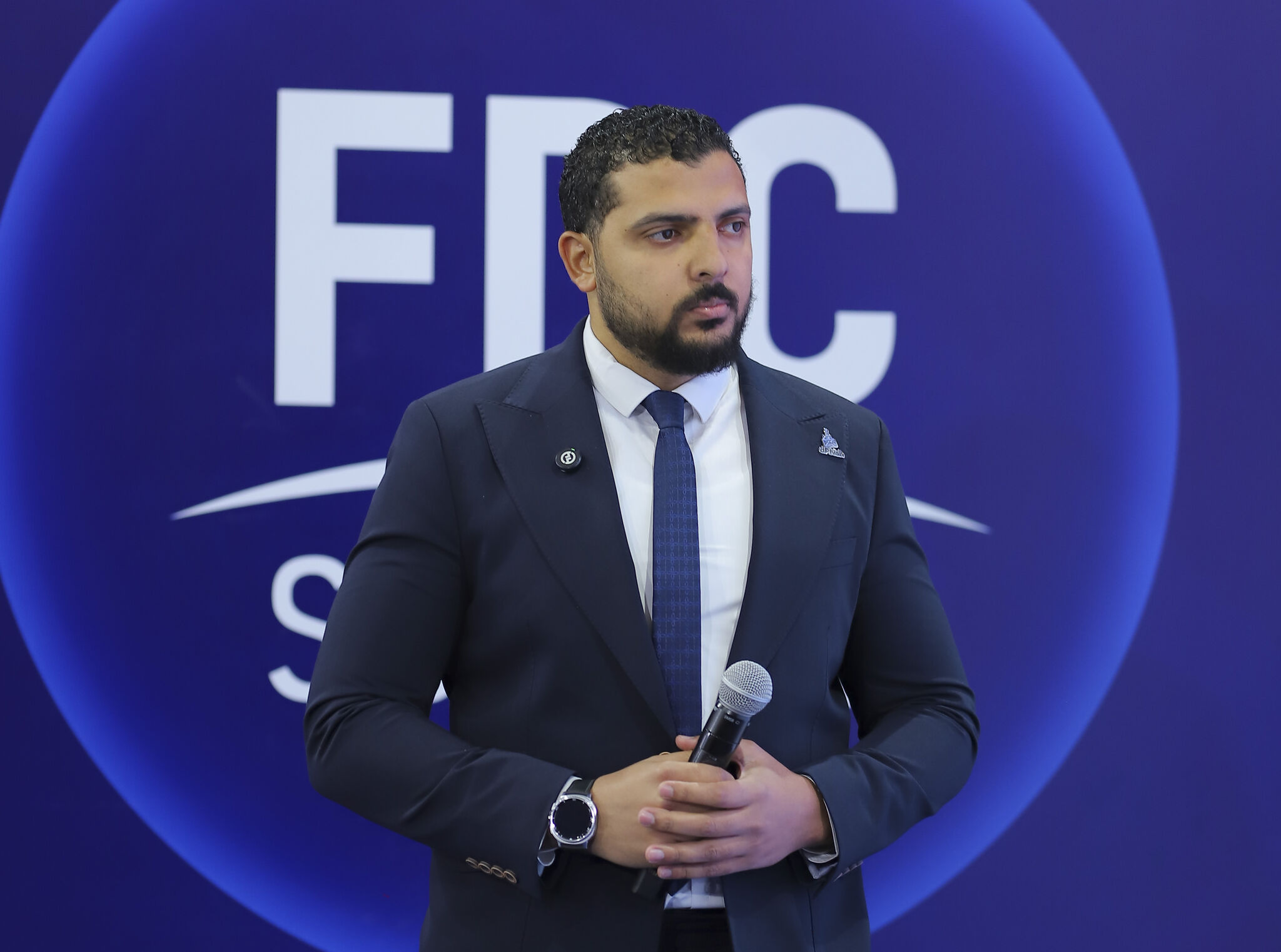
At FDC Summit 2026, Abdelnaser Khanafer, Co-Founder & CTO at dPhish, led an insightful session titled “Closing the Phishing Loop: Detect, Hunt, Respond, and Educate.” The session explored an important challenge facing organizations today: how to connect different layers of cybersecurity to build a more effective and coordinated approach to phishing threats.
Phishing attacks continue to evolve beyond traditional suspicious emails. Attackers increasingly combine social engineering, impersonation, malicious links, compromised accounts, and other techniques to target employees and gain access to organizations. As a result, effective phishing attack prevention requires more than simply identifying a suspicious message.
The session focused on bringing together four essential areas of defense: detection, threat hunting, response, and security awareness.
Connecting Detection, Threat Hunting, and Response

A strong phishing defense begins with visibility. Security teams need to identify suspicious activity quickly, understand what happened, and determine whether an isolated phishing attempt is part of a wider campaign.
During the session, Abdelnaser discussed the importance of connecting phishing detection with threat hunting and response. Detection can identify potentially malicious activity, but security teams also need the ability to investigate it, uncover related indicators, and take appropriate action.
This is where an intelligence-driven approach becomes particularly valuable. Instead of treating every suspicious email as an isolated incident, organizations can use available threat intelligence and contextual information to understand the broader attack.
With dPhish Discover, security teams can gain greater visibility into internal, external, and reported phishing activity, helping them investigate suspicious emails and understand potential phishing campaigns. This visibility can support the transition from initial detection to deeper investigation and informed response.
From Detection to Threat Hunting

Threat hunting plays an important role in closing the phishing loop.
Once a suspicious indicator has been identified, security teams need to ask broader questions: Has the same threat targeted other employees? Are there related emails or indicators? Is the campaign connected to a known threat actor or infrastructure?
This proactive approach helps organizations move beyond reactive email threat detection toward identifying patterns and potential threats before they develop into larger security incidents.
By combining detection capabilities with threat intelligence and investigation, security teams can improve their ability to identify phishing campaigns and understand how they could affect the wider organization.
Responding to Phishing Incidents

Detection and investigation are only part of the process. Once a phishing threat has been confirmed, organizations need an effective response.
A coordinated phishing incident response process helps security teams contain threats, investigate affected accounts or messages, and reduce the likelihood of further exposure. It also creates an opportunity to learn from each incident and improve future defenses.
This is why connecting detection, hunting, and response is so important. Each stage contributes information that can improve the next. The result is a more connected security process rather than a collection of separate activities.
Building a More Connected Anti-Phishing Strategy

The key message from “Closing the Phishing Loop: Detect, Hunt, Respond, and Educate” is that phishing defense should not operate in isolated stages.
Detection provides visibility. Threat hunting adds investigation and context. Response helps contain and address threats. Security awareness strengthens the human layer of defense.
When these elements work together, organizations can build a more proactive and comprehensive anti-phishing solution capable of addressing threats across the full phishing lifecycle.
This integrated approach is central to the dPhish platform, bringing together capabilities across Discover, Detect, and Drill to help organizations identify phishing activity, analyze and respond to threats, and continuously improve employee awareness.
Strong Engagement at FDC Summit 2026
The session sparked great conversations and valuable exchanges with the FDC Summit 2026 audience. The strong engagement reflected the growing need for organizations to rethink how they approach phishing and connect their technical defenses with employee awareness and response processes.
For dPhish, conversations like these are an important part of advancing cybersecurity awareness and helping organizations understand that effective phishing protection is not a single tool or isolated security function. It is a continuous cycle of detecting, hunting, responding, and educating.
By closing that loop, organizations can improve their ability to prevent phishing attacks, respond to emerging threats, and build stronger cyber resilience in an increasingly sophisticated threat landscape.